

Considering sharing your ideas or launching your business online? Then getting the lowdown on what is web hosting is a must! It’s the engine that powers your website, impacting how fast it loads, how secure it is, and how consistently it stays online.
This guide will walk you through the essentials of what is web hosting. We’ll explore the various types available, explain how it all functions, highlight why it’s a big deal for search engine optimization (SEO), and give you the insights you need to pick the perfect hosting provider this year.
What Is Web Hosting? Explained Simply

At its core, web hosting is a service that enables individuals and organizations to make their websites accessible via the internet. When you type in a domain name like www.yoursite.com, that domain connects to a server — a powerful computer that stores your website files. That server sends those files to the user’s browser, making your site visible.
So, what is web hosting in layman’s terms? It’s like renting space online where your website lives.
How Web Hosting Works Behind the Scenes
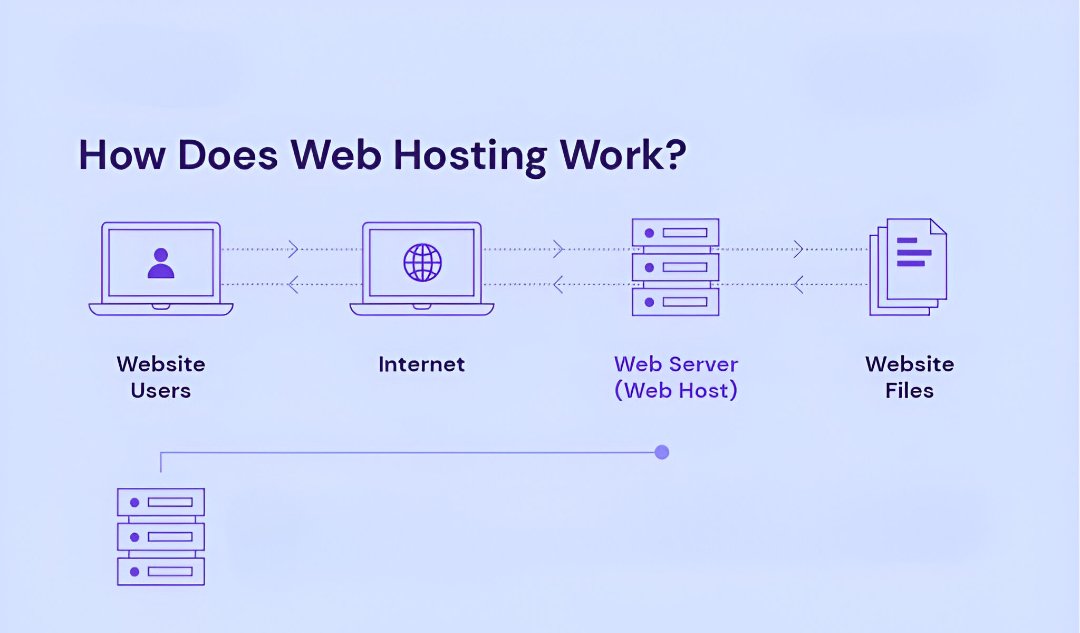
When someone visits your site, their browser sends a request to your hosting provider’s server. This server processes the request and delivers your site’s HTML, CSS, images, and other files to the visitor’s browser. All of this happens in milliseconds.
Web hosting includes three main components:
- Servers – Computers that store and serve your files
- Data Centers – Facilities that house these servers
- Hosting Plans – Services you pay for to store your files
Why Web Hosting Matters for Your Website

The quality of your hosting directly affects:
- Speed: Faster load times improve UX and SEO
- Uptime: A good host ensures your site is always available
- Security: Hosting providers offer firewalls, DDoS protection, and malware scans
- Scalability: Your host should grow with your site’s traffic
Whether you’re launching a blog, online store, or digital agency, choosing the right hosting is one of the most important decisions you’ll make.
Types of Web Hosting Services
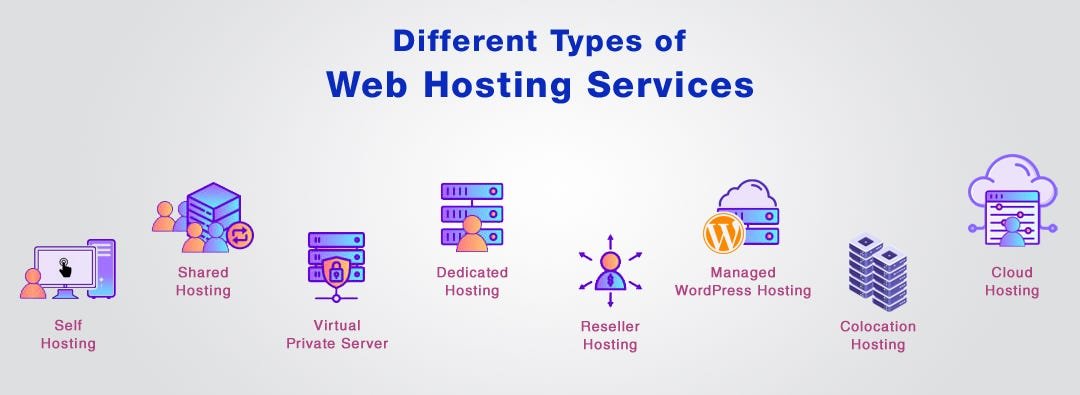
1. Shared Hosting
Ideal for: Beginners, personal blogs
Pros: Inexpensive, easy to set up
Cons: Limited speed and resources, vulnerable to traffic spikes from other sites
2. VPS (Virtual Private Server) Hosting
Ideal for: Growing websites
Pros: More power, root access, isolated environment
Cons: Requires technical know-how
3. Dedicated Hosting
Ideal for: Enterprise websites and applications
Pros: Full control, excellent performance
Cons: Expensive, complex management
4. Cloud Hosting
Ideal for: Startups, SaaS platforms, scalable websites
Pros: On-demand resources, global distribution
Cons: Can be pricier depending on usage
5. Managed WordPress Hosting
Ideal for: WordPress users who want convenience
Pros: Speed-optimized, automatic updates
Cons: Restricted to WordPress
6. Reseller Hosting
Ideal for: Agencies or freelancers
Pros: Host multiple client sites, white-label branding
Cons: Need to manage customer support
Free vs Paid Hosting: What You Should Know
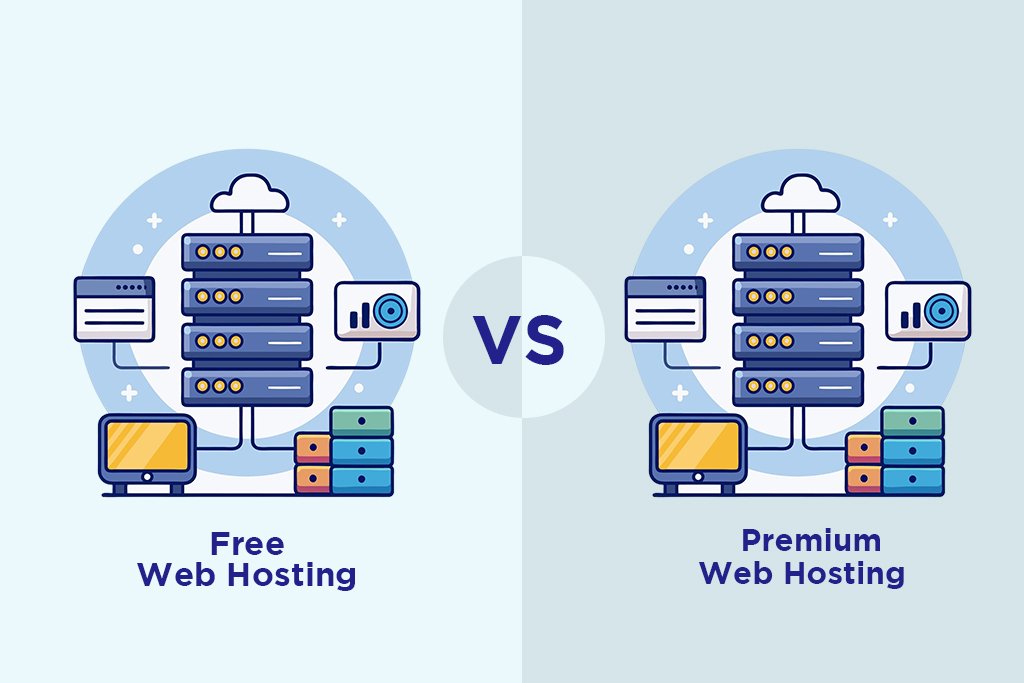
| Feature | Free Hosting | Paid Hosting |
| Domain | Subdomain only | Full domain support |
| Speed | Slow | Optimized with SSDs/CDN |
| Support | Community forums | 24/7 technical assistance |
| Ads | Yes (host’s ads) | No ads |
| Reliability | Unstable | Guaranteed 99.9% uptime |
So, what’s the real deal with paying for web hosting? It boils down to getting control over your website, ensuring it performs well, and having a reliable foundation. While free hosting might seem tempting for quick experiments, it really doesn’t cut it for anything you’re serious about building online. When you understand what is web hosting, you realize that investing in a quality provider is essential for long-term success and stability.
How to Choose the Best Web Hosting Provider
Look for these key features when choosing your host:
- Uptime guarantee (99.9% or more)
- Free SSL certificate
- One-click app installations
- Fast customer support
- Security tools (malware scanning, backups)
- Scalable resources
- CDN availability
Popular providers in 2025 include Bluehost, SiteGround, Hostinger, A2 Hosting, and Cloudways.
Setting Up Web Hosting: Step-by-Step Tutorial
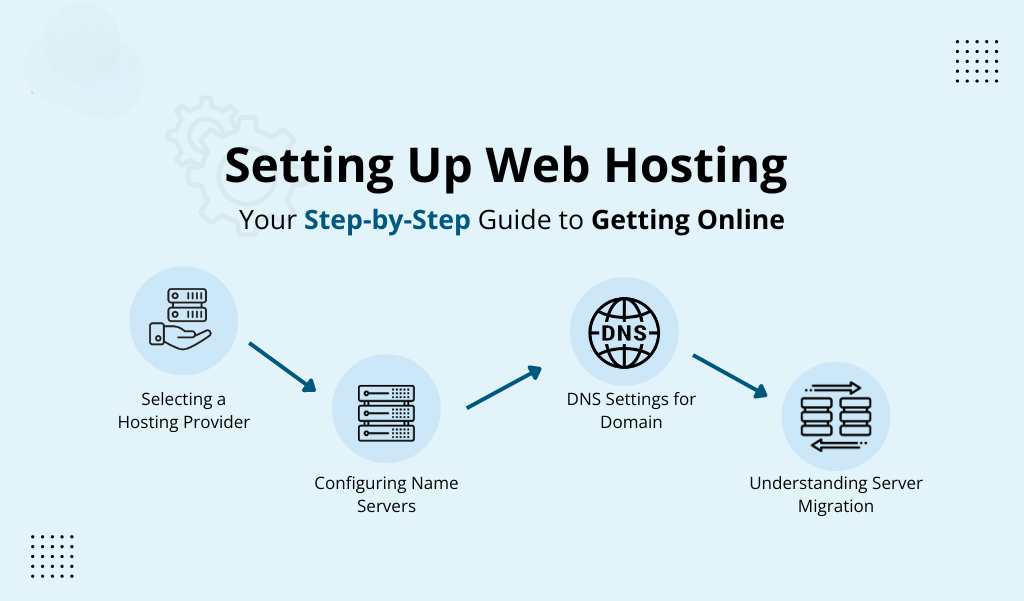
- Select a Hosting Provider: Think of companies like Bluehost as your website’s landlord.
- Choose Your Hosting Plan: Pick a plan that can handle the number of visitors you expect and aligns with what you want your site to do.
- Get a Domain Name: This is your website’s address (like https://www.google.com/search?q=yoursite.com). You can register a new one or use one you already own.
- Connect Your Domain: Point your domain name to your hosting account by updating its nameserver settings.
- Install Your Website Software: Most providers offer easy, one-click installation for popular platforms like WordPress.
- Build Your Site: Choose a design (theme) and add features (plugins) to create the look and functionality you want.
- Go Live and Keep an Eye On Things: Once your site is live, make sure it’s running smoothly and performing well.
What Is Web Hosting’s Role in SEO and Page Speed?

Wondering how web hosting and SEO are connected? Here’s the lowdown on why your hosting choice matters for getting found online:
- Page Load Speed: Google loves speedy websites, and fast servers contribute to quicker loading times, giving you a ranking boost.
- Website Availability (Uptime): If your site is frequently down, Google takes notice, and your rankings can suffer. Consistent uptime is crucial.
- Security (HTTPS/SSL): Google favors secure websites. Having HTTPS and an SSL certificate (often influenced by your hosting) is a ranking signal.
- IP Address Reputation: If you’re on shared hosting, and other sites on the same server have a bad reputation (e.g., spam), it can negatively impact your site’s trustworthiness in Google’s eyes.
- Server Location: Having your hosting server geographically closer to your target audience can improve loading speeds for those users, which is a plus for SEO.
So, when someone asks about the SEO impact of web hosting, the answer is clear: it’s much more significant than you might initially realize.
Best Web Hosting Providers in 2025

Here are some of the leading web hosting providers making waves in 2025:
| Provider | Best For | Features |
| Bluehost | WordPress Hosting | Free domain, SSL, 1-click WordPress |
| Hostinger | Budget Hosting | LiteSpeed servers, custom dashboard |
| SiteGround | Speed & Support | Excellent caching, support, free backups |
| Cloudways | Cloud Hosting | Choose AWS, DigitalOcean, etc. |
| A2 Hosting | Developers | Turbo servers, SSH access, staging |
| Kinsta | Premium WP Hosting | Google Cloud, blazing speeds, support |
Common Myths About Web Hosting
Myth 1: Free hosting is perfectly adequate for small businesses. Truth: Free hosting often comes with significant limitations, missing crucial elements like reliable uptime, essential security features like SSL certificates, and the ability to fully control your branding.
Myth 2: As long as my website looks good, hosting speed isn’t a big deal. Truth: Website loading speed is a critical factor that directly impacts your search engine rankings (SEO), the rate at which visitors become customers (conversions), and the overall experience users have on your site (UX).
Myth 3: Managing web hosting requires advanced coding skills. Truth: The majority of hosting providers offer intuitive, user-friendly control panels that make managing your hosting account straightforward, even without any coding knowledge.
FAQs: What Is Web Hosting and More

Q1: What is web hosting in simple terms?
It’s a service that stores your website’s files and delivers them when someone visits your site.
Q2: Is domain registration the same as hosting?
No. The domain is your website’s address; hosting is where your website lives.
Q3: Can I move to another host later?
Yes. Most providers offer site migration services.
Q4: What is web hosting for WordPress users?
Managed WordPress hosting is optimized for performance, security, and ease of use.
Conclusion: Why Understanding What Is Web Hosting Is Essential

In 2025, having a solid grasp of what is web hosting is non-negotiable. Whether you’re starting a passion project, building a business, or scaling an agency, your hosting provider can determine your online success.
Choosing the right plan gives you:
- Speed and performance
- High uptime
- Robust security
- Room to grow
- SEO advantages
Now that you know what is web hosting, you’re one step closer to building a powerful online presence.
In conclusion, understanding what is web hosting is essential for anyone looking to establish a strong online presence, whether it’s for a personal blog, business website, or eCommerce store. From providing the storage and infrastructure your site needs to ensuring speed, security, and uptime, web hosting plays a vital role in your digital success. By learning what is web hosting and choosing the right hosting service, you set the foundation for a reliable, professional, and growth-ready website.
Author:
Safar Ahammed KM: Freelance Digital Marketer in Manjer